How to Ace your Audition in the UK So, you want to be an actor. Great! You've done a little reading and maybe found a few roles you're interested in, so now it's time for the first big hurdle: the audition. This is your chance to show your stuff and convince the directors that you[…]
31 July 2023∙7 minutes to read
A Guide to Making a Career of Acting Life as an actor can be tumultuous at the best of times. There are auditions to go to, agents to liaise with, and you of course have a public image and reputation to manage. As such, the thought of expanding your current network to make new contacts[…]
23 September 2021∙7 minutes to read
Musicals Come in All Different Types For a time, musicals were all the rage. Done up with lavish sets and showcasing artists’ precisely executed dance steps and powerful vocals, people couldn’t wait until the next big hit… from Singin’ in the Rain to Saturday Night Fever, these shows (and later, films) played to packed houses[…]
17 November 2019∙9 minutes to read
Want to Take Acting Classes?
Our acting coaches and drama teachers give you all their tips for learning how to act and how to find acting work.
Whether you’re a total beginner, looking to improve or preparing for an audition you will find the help you need here.
Superprof is the go-to place to acting instructors. We host thousands of coaches across the UK in all disciplines: Film, TV, Improvisation, Musical theatre, Puppeteering, Scenography, Stand up comedy, and more.
Check out all private acting classes offered by our coaches and find online acting coaches here.
How to Write a Screenplay "That's one of the nice things about writing, or any art; if the thing's real, it just lives." -Woody Allen Writing is a passion of many novelists, journalists, teachers, bloggers, and screenwriting. Every subdiscipline of writing is a unique world with distinct aspects that make it stand out as unique.[…]
31 October 2019∙8 minutes to read
Learn to Act around the UK Ever fancied yourself an actor while seated in the cinema, completely captivated by the unravelling plot? Does the room cling to your every word when you tell a story to your friends? Do you watch the Emmy Awards or the Oscars wishing you could be in that room with[…]
1 July 2019∙15 minutes to read
The Best Places in the World to Study Acting Why Should I Study Drama? Going on a proper course is a fantastic opportunity for you to develop your performance abilities. It will really push you as a student to get familiar with performance as an experience. You will find out what talents you ought to[…]
20 March 2019∙11 minutes to read
How Many Types of Acting Techniques Are There? "For me, our job as artists is to serve the story, serve the director, and serve the fellow actors. And if you do that, by osmosis you're serving yourself because you'll get the best out of yourself." -David Oyelowo Actors on the big screen, small screen and[…]
11 January 2019∙9 minutes to read
Do You Want To Learn To Act? Although we often picture acting as a high profile, not to mention glamorous, job thanks to the sparkle of Hollywood and the growth in popular TV shows and miniseries, the reality for many actors is that the industry is highly competitive, with many actors vying for a single[…]
8 January 2019∙9 minutes to read
Discover Four Famous British Actors Out There With good actors being true chameleons when it comes to accents, it’s sometimes difficult to keep up with which Hollywood actors are American - and which originally came from the UK. Did you know that Kate Winslet comes from Reading? That Anthony Hopkins is Welsh? Find out more[…]
2 May 2018∙7 minutes to read
Getting Hired for Acting Jobs in the UK It is no secret that the acting industry, be it for theatre, cinema or television, is highly competitive requiring on both hard work and being the in the right place at the right time. Needless to say, finding acting opportunities in this dense industry makes for full-time[…]
25 April 2018∙9 minutes to read
3 Great Reasons To Take Acting Classes If you have ventured onto this blog post, then it is likely that you are already interested in drama and the amazing possibilities, opportunities and benefits that acting lessons offer you. That is a good place to start! Now it is my turn to explain to you why[…]
9 April 2018∙12 minutes to read
What Is Drama? Drama Defined Whether you are someone who is looking to become a professional actor, you aspire to teach drama as a profession, or you'd like to perform in theater as a hobby, then the chances are that you might be interested to establish a better and more in depth understanding about the diverse[…]
9 April 2018∙8 minutes to read
Acting Classes For Beginners If you have set your sights on a career as an actor, then acting school is usually a prerequisite of the job (yes, it is a job!). While the life of a performer may seem desirable from the outside, with Instagram posts showing them at a celebrity-packed gathering or a star-studded bash[…]
3 April 2018∙14 minutes to read
Acting Lessons For Everyone
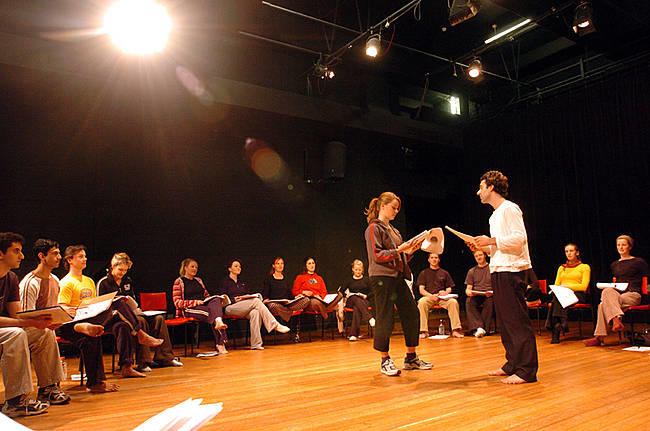
There are many reasons why you may consider taking acting classes. You don’t need to aspire to be an actor in Hollywood or be playing the lead in a Shakespearean play to gain the benefits of acting lessons.
By taking acting lessons, you can become more confident and adapt to different social situations more easily.
A private acting tutor can also help you improve your public speaking skills and, in turn, help you become a better leader and motivator.
Audition Practise
Dreaming of getting into Rada, playing the lead in your high school production or perfecting screen auditions?
Superprof has many audition experts to help you pass that tricky audition and land your dream role.
Tutors can help you step by step to perfect your audition piece, tell you what to expect during auditions and how to calm your nerves and give your best performance.
Having an acting tutor one on one can bring out the true actor in you and reveal techniques you never thought of.
Dissecting a Role With Acting Lessons
Understanding the character you are playing on T.V, on film or on stage can bring out that star quality.
A private tutor can help you explore the character you’re playing and empathise with his or her feelings and decisions. They can also help you develop accents and mannerisms as well as breathing techniques to help you stay in the role.
Don’t be afraid to transport yourself to the world of the character. With the help of a tutor, you could be on the road to winning an Oscar!
Become More Confident with Acting Lessons
Acting lessons are not for everyone but that doesn’t mean they can’t be a great confidence booster.
If you’re shy in social situations, unable to calm your nerves when public speaking or can’t find the courage to ask someone out, acting lessons can help you let go of inhibitions and face your fears.
The first step with an acting tutor to improve your confidence may not be easy but it may be all you need to reach your goals!