What is feminism, and how did it start? Feminism is a global movement with different currents that have emerged throughout history to defend and advocate for women's rights and equality in society. Broadly speaking, the feminist movement refers to a series of social, economical and political movements and campaigns that relate to women's social conditions[…]
4 August 2022∙6 minutes to read
The Things You Always Wanted to Know About the Tudor Period We all know a little about the Tudors – whether we like it or not. The six wives are usually the first thing people mention – followed shortly by the strange aura that surrounds the figure of Anne Boleyn in particular. Then there is[…]
18 October 2019∙6 minutes to read
The Suffragettes and Suffragists "We too often bind ourselves by authorities rather than by truth." -Lucretia Mott To go against the grain, take a stand, be outspoken, and make a notable difference requires courage and confidence. The women who boldly fought during the suffrage movement had all of those characteristics. Learning about historical heroes such[…]
16 August 2019∙8 minutes to read
Taking a Look at the Earliest Civilisations When people think of ancient worlds, Egypt, Greece and Rome come quickly to mind. There are more... Humanoids have been wandering around the planet for nearly 2 million years. Our branch of the hominid tree, Homo Sapiens, has only been around for about 300,000 years but we learned[…]
12 August 2019∙12 minutes to read
A Brief History of World Religions "Religion is one tree with many branches. As branches, you may say, religions are many, but as a tree, religion is only one." -Mahatma Gandhi With more than 84% of the 7.3 billion inhabitants on planet earth claiming to identify with a religious group, people from all types of[…]
7 August 2019∙8 minutes to read
Finding UK History Courses Are you due to take your final A-Level exams in 2020? Are your educators beginning to drill in the fact that universities are waiting to hear from you soon? As a History buff, you may already know which establishments offer the best History courses, however, if you aren't 100% sure on which[…]
31 July 2019∙15 minutes to read
The Best Books, Websites, Apps, and Podcasts So, you’ve reached that part of your secondary school journey. You’ve sat in the classroom for months working through your history textbook, maybe not really listening, doing bits of homework, some worksheets, and believing your exams are too far away to matter. Now, with your history examination on[…]
27 December 2018∙6 minutes to read
What Type of History Should You Study? Why study history and become a historian? Do you want to learn about past societies, pursue a Bachelor in European History, find out more about early modern philosophy? But though the history department of your local university’s humanities section may offer a simple history major, you will soon[…]
27 December 2018∙10 minutes to read
Which was the Biggest Empire Ever? If you spend ten minutes looking through history, you’ll certainly notice that this word ‘empire’ comes up an awful lot: the Roman Empire, the British Empire, etc. But what exactly do we mean when we say this? What does this word actually refer to? And, importantly, what is the[…]
21 December 2018∙7 minutes to read
Significant Historical Events that Shaped Our World What do you mean, countries' borders move? They’ve always been there! Kevin O’Dell People in general, but especially in developed countries, tend to view the world as static; unchanged since the dawn of time. This is a postulate that supposes the world is indeed an elaborately dressed stage[…]
19 December 2018∙8 minutes to read
Why Study History? We live in the present and we plan for the future. It somehow goes against our human instincts to worry about the past. This is why History was invented: to study the past (not to dwell on it). Given all our daily worries about university, family, money and so on, why bother with[…]
13 December 2018∙9 minutes to read
History For Children: An Overview History is a very important subject, as it teaches us about the world, our country, our towns, and our communities and how these came to be what they are today. Not only is it relevant to those who want to study or work in an environment that requires historical knowledge, but[…]
6 December 2018∙9 minutes to read
Defined as the study of past events that relate particularly to human affairs, history is reviewed by students across the UK and around the world. Every nation’s history is unique and differs from the other. Nonetheless, even though history is studied by all in primary school, secondary school, and, for some, university students, that doesn’t make it always easy to grasp. But by gaining an appreciation for history, pupils might get through the tough parts more successfully.
Why Study History?
Before students can start appreciating an academic discipline, it’s important for them to comprehend the purpose of studying history and why it’s worthwhile. So, why is history studied in schools around the world? Firstly, studying history helps us to see how past events have shaped our lives and made things the way they are today. Secondly, reviewing historical events allows us to better understand our culture and the significant moments that occurred on our soil. Thirdly, teachers hope that when students are analysing history, they begin to see how history helps us to understand change and how we can learn from our mistakes. At the end of primary or secondary history classes, educators wish that students have accepted the three previously mentioned reasons.
Important Historical Events in the UK
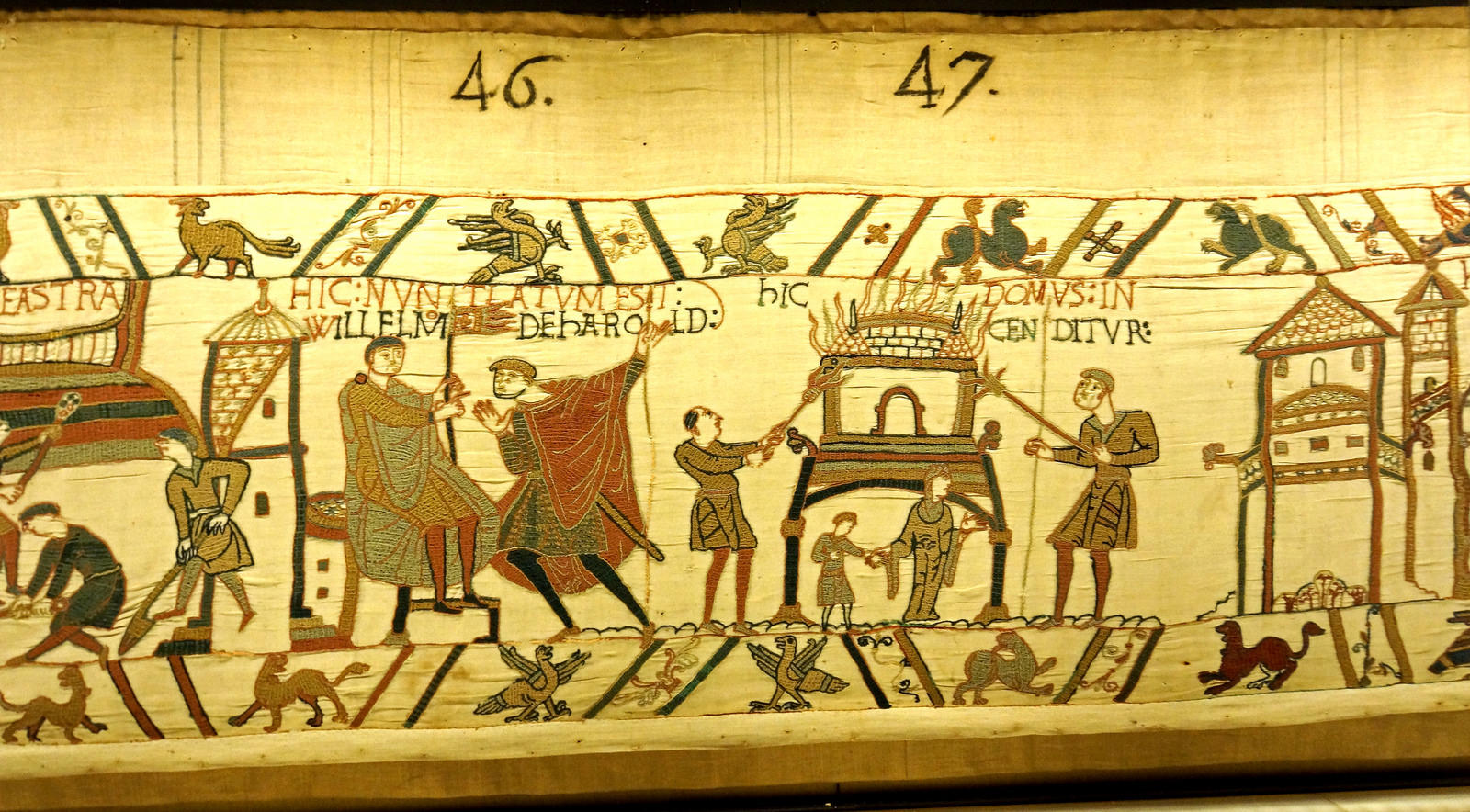
As is the case with many countries in the European continent, the United Kingdom has been marked by plenty of historical events. The important events from the UK’s past help students to understand how aspects such as culture, traditions, and languages came about. While some moments in history are happier than others, it’s worth mentioning that there were many deaths and sad events that shaped the modern-day United Kingdom that we know and love. Important moments in history from the past 1000 years that affected either England, Northern Ireland, Scotland, or Wales include William the Conqueror defeating Harold at the battle of Hastings, the sealing of the Magna Carta, the start of the Black Plague (Death) that devastated cities, towns, and villages in 1346, the birth of William Shakespeare, the Battle of Waterloo, the start of Queen Victoria’s reign, V-E Day marking the end of WWII, and Tim Berners-Lee creating the internet in 1989. All of the previously mentioned moments in time had a ripple event that changed the lives of millions of people. Students at a primary or secondary level study these events in further detail during history classes.
How are History Classes in the United Kingdom Organized?
History is taught throughout primary school and into secondary school in the UK, there’s no way of avoiding it! During primary education, the National Education System requires students to order events in time, find differences and similarities, write and talk about the past, and use different sources of information. As for secondary school, during the final Key Stages, history courses are divided as part of the GCSEs or the A-Levels. GCSE History is organized by the exam board in question and considers the Medieval, Early Modern, and Modern eras. As for A-Level History, pre-university students have tons of content to master and many papers and exams to complete before they can receive their A-Level certification. At a university level, pupils can choose to specialize in historical eras that interest them.
Tips for Studying History
Many students would agree that history is a boring subject. However, to make history more enjoyable, there are many tips and tricks from passionate educators to help you along the way. Firstly, the key to studying history and excelling is taking plenty of notes during class time. All the information you need to pass your exams is reviewed and discussed by your teacher in the classroom; therefore, don’t be lazy and write things down in your notebook! Secondly, instead of always revising your textbook, find alternative ways to study history such as using flashcards and joining a study group; this will keep things fresh. Thirdly, to avoid getting confused by dates and important events, try your best to be mindful of chronology. By following these suggestions, you’ll be golden when studying history!
In conclusion, history can be a pleasant and enjoyable academic discipline if you let it; the choice is yours!